- Registered NDIS Provider
- Supporting participants across Perth
- Registered NDIS Provider

Speak with our team
(08) 9445 9295
(08) 9445 9295
Support at home and in the community, from everyday routines and household tasks to getting out, building skills and managing change. We shape the support around what helps the person participate and work towards greater independence.
Whether support happens at home, out in the community or while building new skills, we start with the person’s routines, goals and what helps day to day. From there, support stays practical, consistent and able to adapt over time.
Support fits around real routines, tasks and places in everyday life.
Support that builds participation
We provide the help needed while keeping the person involved.
Familiar workers where possible
We aim for consistency so trust and routines can build over time.
Connected with the wider team
With consent, we follow agreed strategies and share useful observations.
Support can look different from one day to the next. We help with everyday routines at home, getting out into the community, building skills and managing changes in life, with support shaped around what the person needs and where they can take part.
From getting ready for the day to keeping the household going, support can be hands-on where needed or create room for the person to take part themselves.
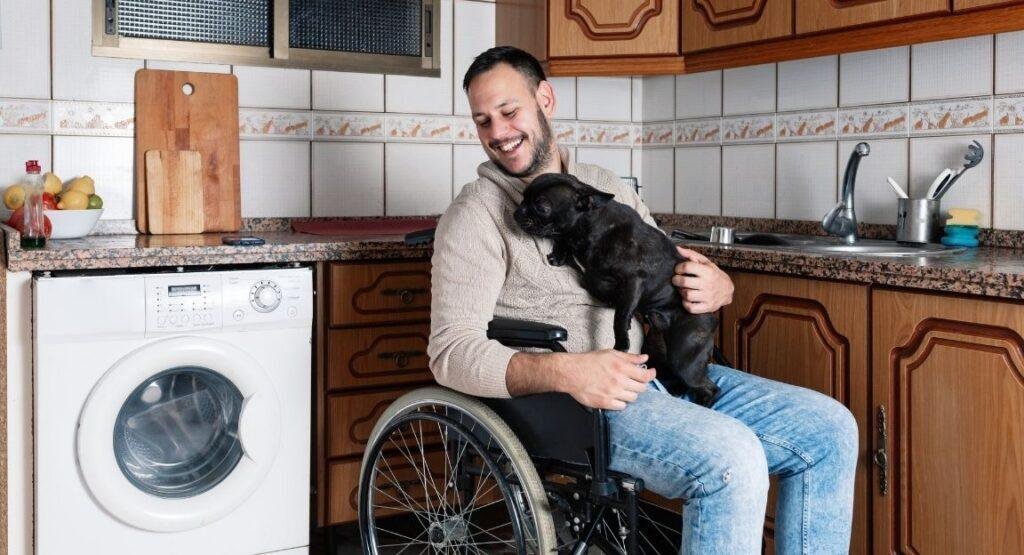
Daily living and personal care
Support with the routines that help a day get started, keep moving and wind down, with the level of help shaped around what the person needs.
Morning and evening routines
Support with getting up, getting ready, dressing and settling into the evening.
Personal care
Prompts or hands-on support with hygiene, grooming and personal routines where needed.
Mealtimes
Support with regular meal routines and help at mealtimes when required.
How we approach it
We step in where help is needed and leave room for the person to take part where they can.

Household tasks
Practical help to keep the home clean, organised and manageable, while building routines the person can be involved in over time.
Cleaning and laundry
Support with cleaning, washing, linen and the everyday jobs that keep the home running.
Meal preparation
Help with shopping lists, simple cooking and keeping regular food routines in place.
Home organisation
Support to keep spaces tidy, safe and easier to manage day to day.
How we approach it
Sometimes the task needs doing. Other times, the person can take part in one small piece of it. Both matter.

Whether it’s an appointment, regular activity or somewhere new, we support people to access the community in ways that work for them.

Community participation
Support to get out into the community in ways that feel manageable, useful and connected to the person’s interests and goals.
Social and recreational activities
Support to attend sport, clubs, classes, hobbies or spend time with friends and family.
Errands and appointments
Help with shopping, banking, appointments and other everyday places in the community.
Getting comfortable in community spaces
Repeated, gradual support when leaving the house or entering new places feels harder.
How we approach it
We look at what makes participation easier, then build from there at a pace that works for the person.

Group activities
Support to attend group programs and shared activities with help from a worker who understands the person.
Attending group programs
Support to get there, settle in and take part in activities run by others.
Shared activities
Support alongside another participant where shared support is appropriate.
Joining and staying involved
Help to turn up, participate and keep going back when consistency matters.
How we approach it
The goal is not just attendance. We pay attention to what helps the person feel comfortable enough to take part.

Transport
Practical support to get to appointments, activities, work or study, with opportunities to build travel confidence where appropriate.
Appointments
Support to get to medical, allied health and NDIS appointments.
Work, study and regular activities
Help getting to the places that are part of the person’s usual week.
Travel practice
Support to practise public transport or work towards travelling with less help.
How we approach it
Sometimes it’s about getting there. Other times, it’s about building confidence to travel more independently.

Everyday skills take practice, and changes in routine can take time. We support people to build confidence, develop routines and work through changes at a pace that makes sense.

Life skills
Practical support to build everyday skills through routine, repetition and practice in real situations.
Everyday routines
Practising cooking, personal care and household tasks with less prompting over time.
Money and admin
Support with budgeting, bills, appointments and everyday household paperwork.
Communication and social confidence
Practising communication and social skills in the places they’re actually used.
How we approach it
We break skills into achievable steps and build from what the person can already do.
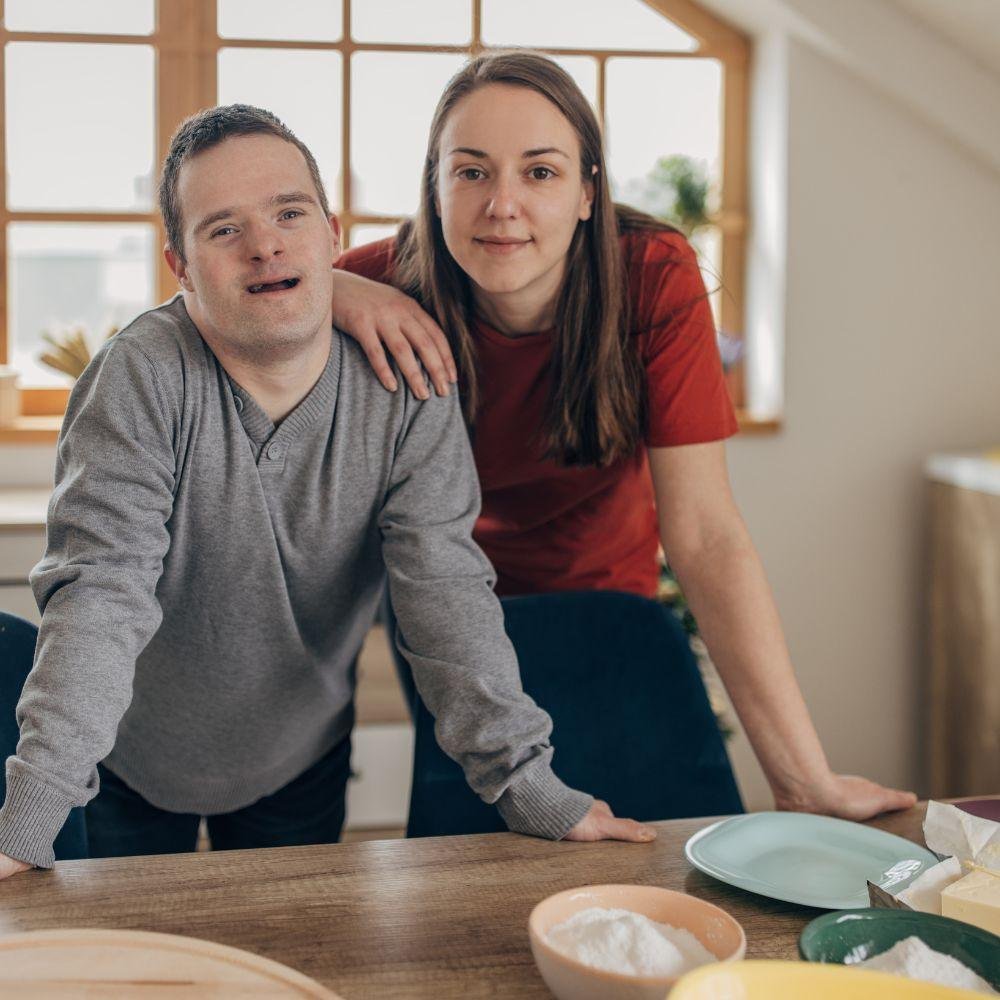
Life stages and transitions
Practical support when routines, responsibilities or living arrangements are changing.
Big life changes
Support when leaving school, moving home, starting work or beginning study.
New routines and services
Help to settle into new supports, environments and ways of doing things.
Planning through change
Support with everyday decisions, routines and practical planning as things shift.
How we approach it
We make change more manageable by adding structure, breaking things into steps and building new routines over time.
MPS works with NDIA managed, plan managed and self managed participants. Depending on the support and the person’s plan, services may sit within Core Supports or Capacity Building.
NDIA managed
As an NDIS registered provider, MPS can provide supports funded through NDIA managed plans.
Plan managed
Your plan manager handles invoices while you choose the supports and provider that fit.
Self managed
You manage payments directly and have more control over how your funding is used.
Not sure where a service fits?
Tell us what support you’re looking for and we can talk through the service and relevant NDIS support category.
MPS is based in Marangaroo and supports people across selected Perth metro suburbs. Availability can vary depending on location, the support needed and the right worker being available.
Northern suburbs
You don’t need to work that out before contacting us. Tell us what support is needed day to day and we’ll talk through where it may fit.
Yes. MPS provides practical support around everyday routines at home, getting out into the community, and building skills in real settings.
Yes, with consent. We can work to agreed strategies from the person’s OT, behaviour support practitioner or other allied health professionals within the support worker’s role.
No. MPS does not provide therapy, assessment or diagnosis. Psychology-informed simply shapes how we understand and respond to everyday support.
Where we can, yes. Consistency helps build trust and routines, so we try to keep familiar workers around the person.
It depends on the days and times you need and who we have available. We'll tell you honestly at the first call, including if the answer is that we can't help right now.
A few practical answers about how MPS provides support, what sits within our role and what to do if you’re not sure which service fits.
You don’t need to know the service name or NDIS category before getting in touch. Tell us what the person needs help with, what they’re working towards and what matters in their week. We’ll talk through whether MPS can provide the right support.